Drip Coffee Makers: The Everyday Standard
Drip machines remain the most common choice for a reason — they’re simple, brew a full pot at once, and work well for households that drink coffee throughout the morning rather than a single cup. Most models let you set the strength and brew a full carafe automatically, which makes them a practical fit for families or anyone who wants coffee ready without much hands-on effort. The main tradeoff is flavor complexity: drip machines produce a straightforward, consistent cup, but they won’t replicate the intensity or texture of espresso-based drinks.
Espresso Machines: More Control, More Involvement
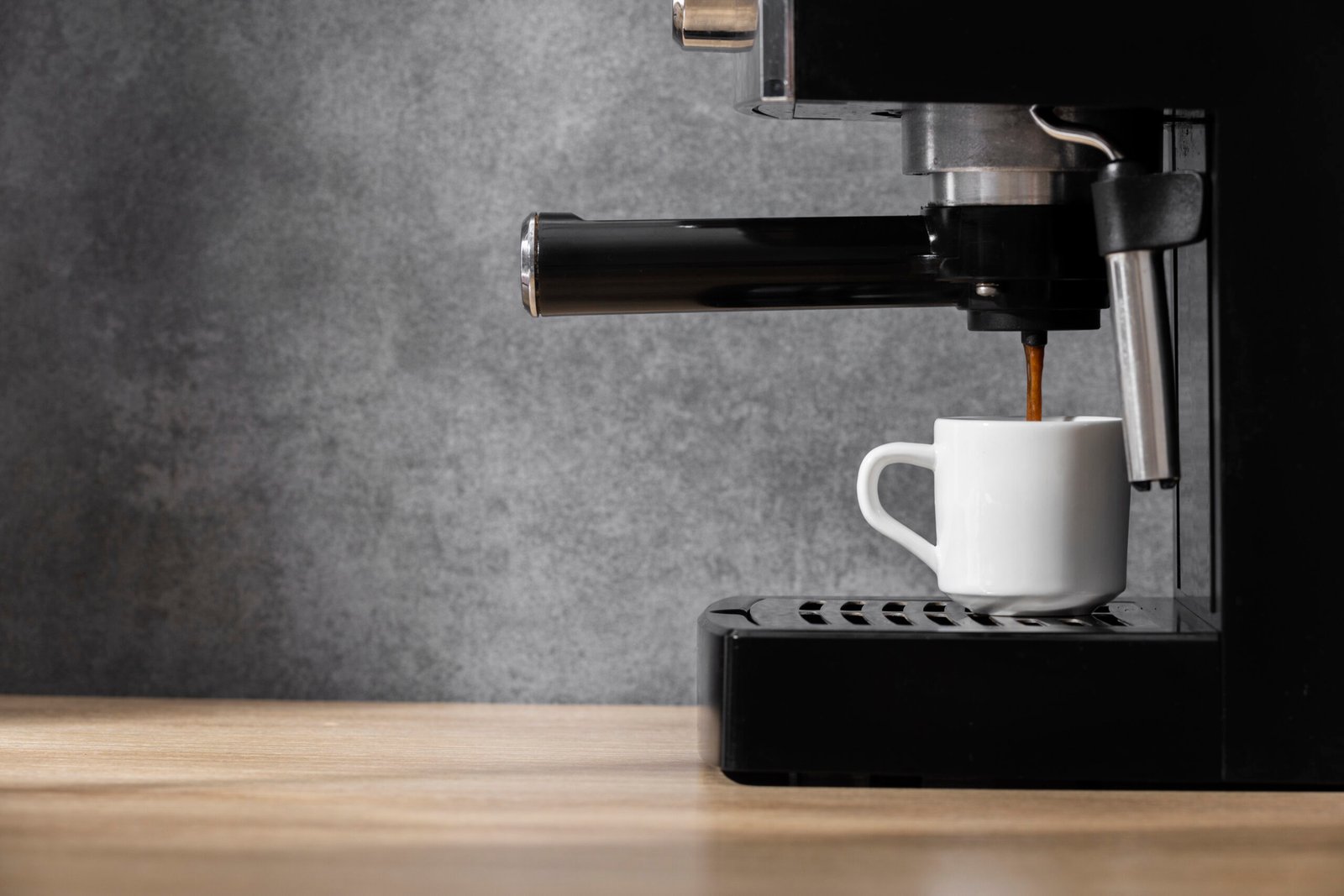
Espresso machines are built for people who want café-style drinks at home — lattes, cappuccinos, or a straight shot of espresso. They generally require more hands-on technique than a drip machine, from grinding and tamping to steaming milk, and often come with a steeper learning curve and price tag. For someone who genuinely enjoys the process and wants that level of customization, an espresso machine can be worth the investment. For someone who just wants a fast, no-fuss cup, it’s usually more machine than necessary.
Single-Serve (Pod) Machines: Speed and Convenience
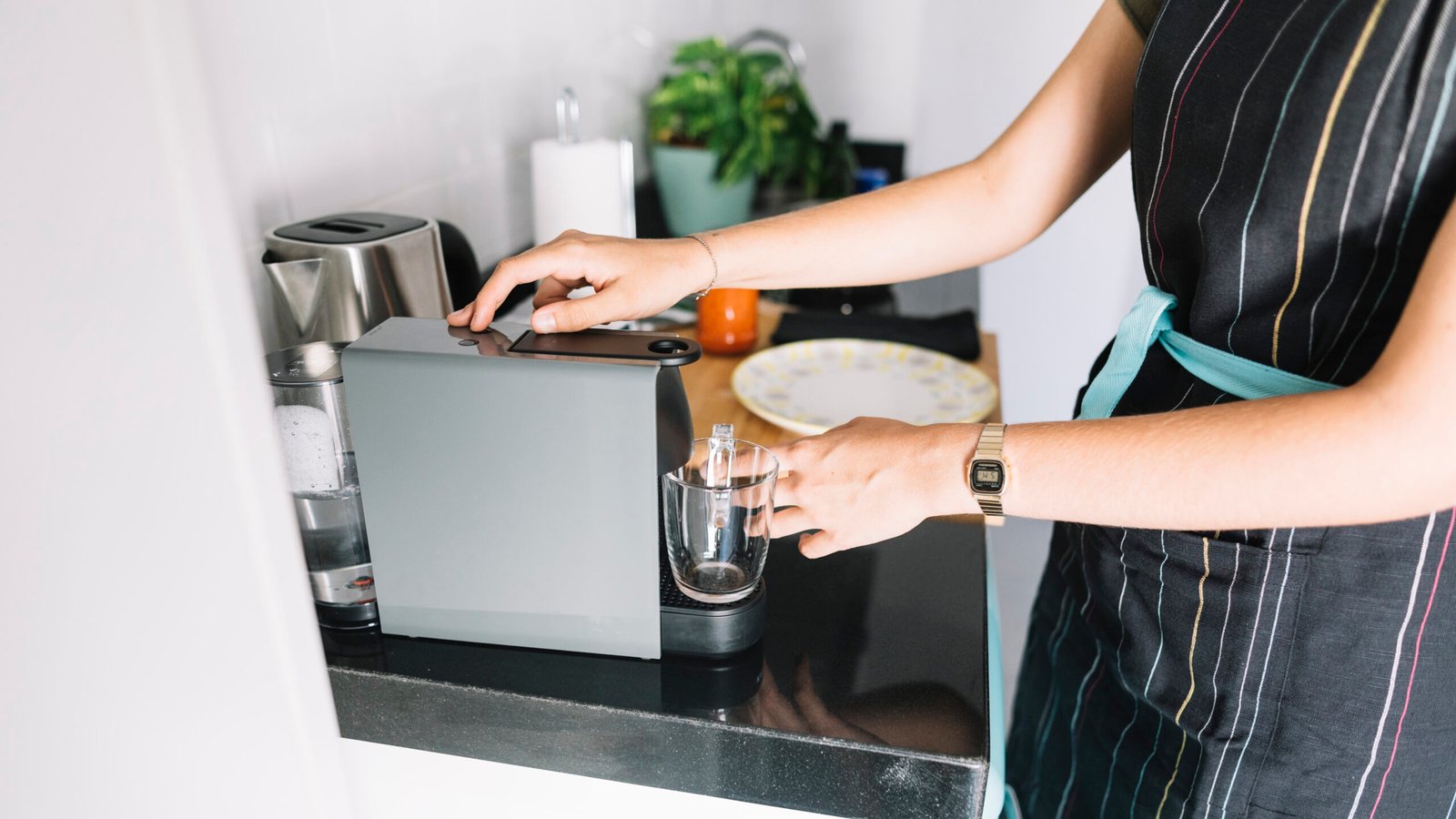
Pod-based machines prioritize speed and simplicity above everything else — insert a pod, press a button, and coffee is ready in under a minute with virtually no cleanup. They’re a strong fit for single-person households, offices, or anyone who wants variety without brewing a full pot each time. The tradeoff is ongoing cost, since pods are generally more expensive per cup than ground coffee, and the environmental impact of pod waste is worth considering if that matters to you.
French Press: Manual, But Full-Flavored
A French press requires no electricity and produces a fuller-bodied cup than drip coffee, since the grounds steep directly in the water rather than passing through a filter quickly. It takes a few extra minutes of hands-on time and a slightly coarser grind, but for people who prioritize flavor and don’t mind a manual process, it’s one of the most affordable and lowest-maintenance ways to brew.
Matching Capacity to Your Household
Capacity matters just as much as brewing style. A single-cup or small-carafe machine makes sense for one or two people, while a larger household or anyone who regularly has guests over will likely be frustrated by constantly refilling a small machine. It’s worth thinking about your actual daily coffee habits rather than assuming bigger is automatically better — a large carafe sitting half-used for hours doesn’t stay as fresh as coffee brewed in smaller batches.
Ease of Cleaning
Cleaning routines vary significantly between coffee maker types. Drip machines and French presses are generally straightforward, with removable parts that are simple to rinse or run through a dishwasher. Espresso machines, particularly ones with built-in grinders or milk frothers, tend to require more regular maintenance to avoid buildup affecting flavor over time. If low maintenance is a priority, it’s worth factoring cleaning effort into the decision alongside brewing style.