How to Organize a Small Kitchen: 10 Practical Tips

A A small kitchen doesn’t have to feel cramped or chaotic. With the right approach, even the tightest cooking space can function like a much larger one. The key isn’t more square footage — it’s smarter organization. Below are ten practical, easy-to-apply tips that will help you make the most of every inch of your kitchen.

1. Start With a Full Declutter

Before organizing anything, take everything out of your cabinets and drawers. Small kitchens fill up fast with duplicate tools, expired spices, and gadgets you rarely use. Keep only what you actually reach for on a regular basis. A smaller inventory is the foundation of a well-organized kitchen — no storage system works well if it’s holding too much.

2. Use Vertical Space

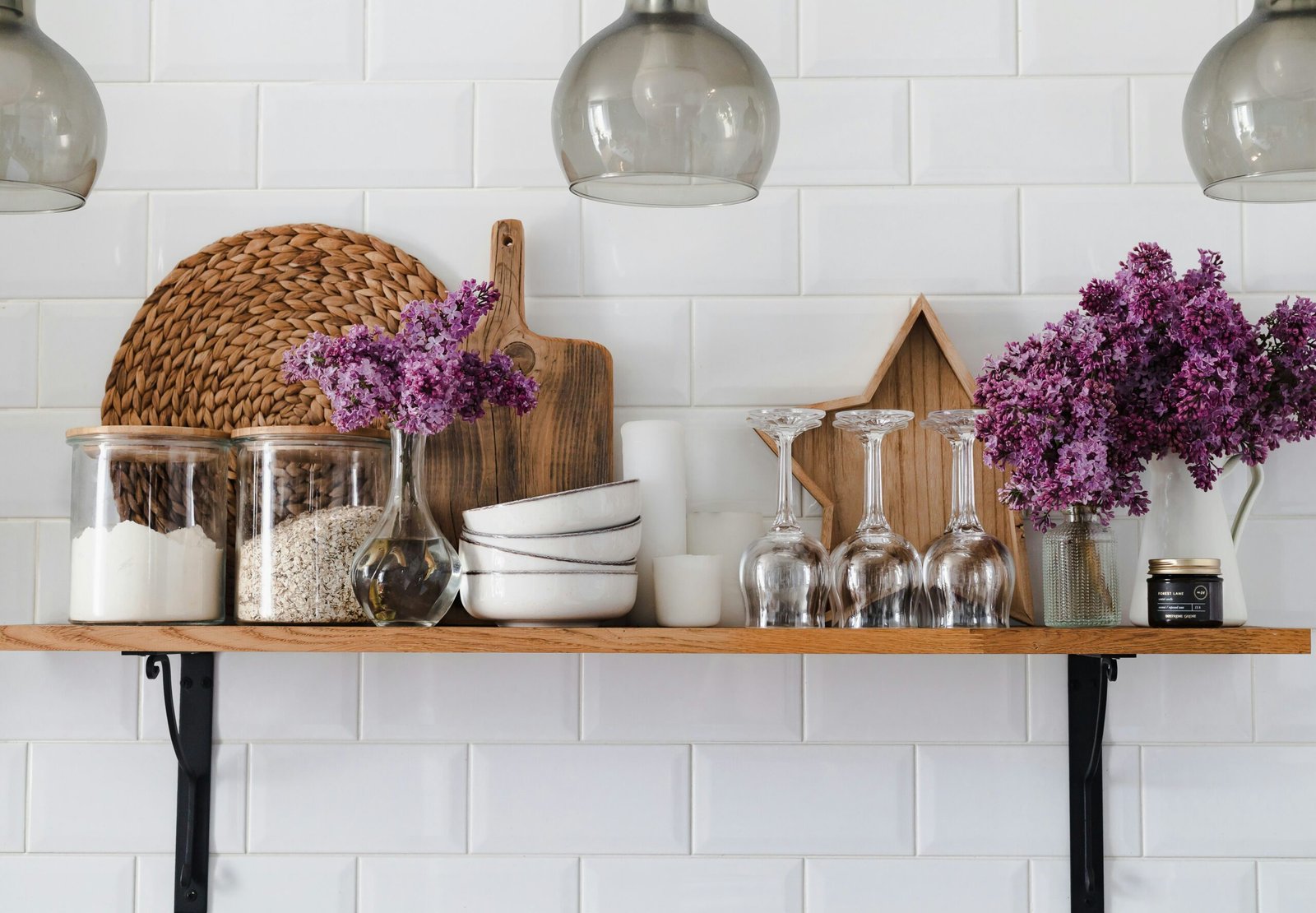
When floor and counter space are limited, walls become your best storage ally. Install shelves, hooks, or a pegboard above your counters or stove to hold pots, pans, utensils, and cutting boards. Vertical storage keeps everyday items visible and accessible while freeing up valuable drawer space for smaller tools.

3. Group Items by Function

Organize your kitchen into functional zones: a cooking zone near the stove, a prep zone near the cutting board, and a storage zone for pantry items. Keeping related tools together reduces the number of steps needed to complete a task and prevents cabinets from becoming a mix of unrelated items.

4. Maximize Cabinet Height With Stackable Shelves

Most kitchen cabinets have wasted vertical space above stacked plates or containers. Adding stackable shelf inserts lets you use that empty air space, effectively doubling your storage capacity without any renovation.

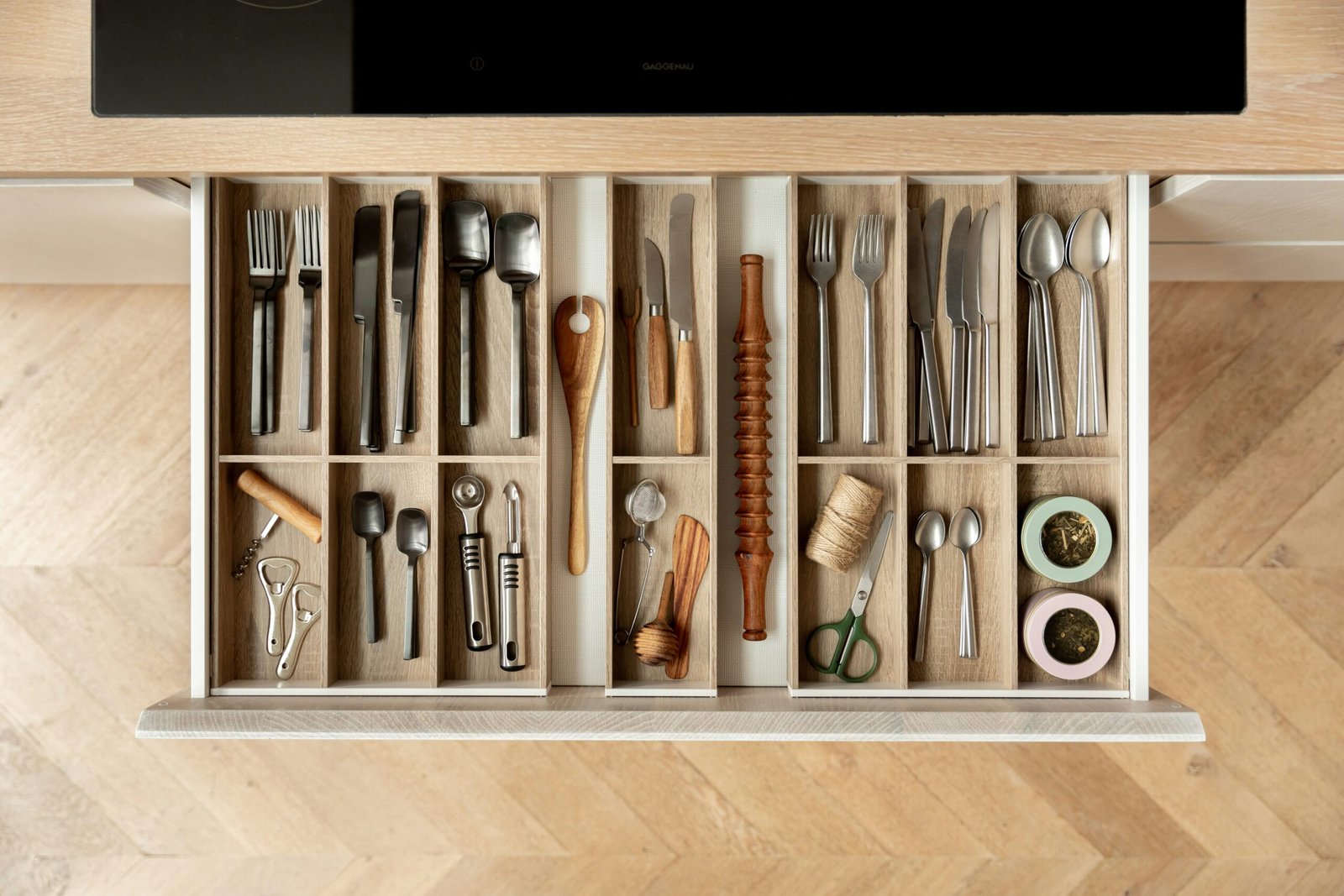
5. Use Drawer Dividers

Drawers without dividers quickly become a jumble of loose utensils. Simple dividers or organizer trays keep items separated by type, making it easy to find what you need at a glance — and preventing the drawer from turning into a catch-all.

6. Hang a Pot Rack

If cabinet space for cookware is tight, a hanging pot rack (mounted on the wall or ceiling) can free up an entire cabinet. It also adds a functional, kitchen-forward visual element to the room.

7. Choose Multi-Purpose Tools

In a small kitchen, every tool should earn its place. Prioritize multi-purpose items — like a grater that also stores shredded ingredients, or a cutting board with a built-in colander — over single-use gadgets that only handle one task.

8. Use the Inside of Cabinet Doors

The inside of cabinet and pantry doors is often completely unused. Adding small racks or hooks there is an easy way to store lids, cutting boards, spice jars, or cleaning supplies without taking up additional shelf space.

9. Store Items Near Where You Use Them

Keep tools and ingredients close to where they’re actually used. Spices near the stove, cutting boards near the prep area, and mugs near the coffee maker. This small adjustment reduces unnecessary movement and keeps the workflow efficient, especially in a compact layout.

10. Reassess Every Few Months

Kitchen organization isn’t a one-time project. Habits change, new items get added, and old systems stop working. Set a reminder every few months to reassess your cabinets and drawers, removing anything that has crept back in and doesn’t belong.

Final Thoughts

A well-organized small kitchen comes down to intentional choices: keeping only what you use, making use of vertical and hidden spaces, and grouping items logically. These changes cost little to nothing and can be implemented over a single weekend, transforming a cramped kitchen into a space that feels efficient and easy to work in.